 Design Your Ideal Garage!
 Call Us: (214) 224-0812
Breathtaking Durability
Quartz Flooring uses a double broadcast of translucent colored quartz granules into a commercial-grade epoxy binder (basecoat). The system is then top-coated with a clear, high-performance polyaspartic. Optional additional clear or solid topcoats are available for customers who prefer a smoother surface.
Schedule CallKey Benefits
- Durable Slip Resistance
- Hides Substrate Imperfections
- Requires No Waxing
- Low-Maintenance
- Stain & Abrasion Resistant
Typical Uses
- Food Preparation Areas
- Laboratories, Healthcare Facilities and Animal Clinics
- Manufacturing Areas and Detention Facilities
- Locker Rooms and Public Restrooms
- Vehicle Repair/Showroom Facilities

The Process

Prep Concrete
Grind or shot-blast the concrete to open its pores, repair cracks and pits to ensure maximum adhesion for the coating.

Primer/Basecoat
An epoxy primer is applied until the concrete is fully saturated.

Color
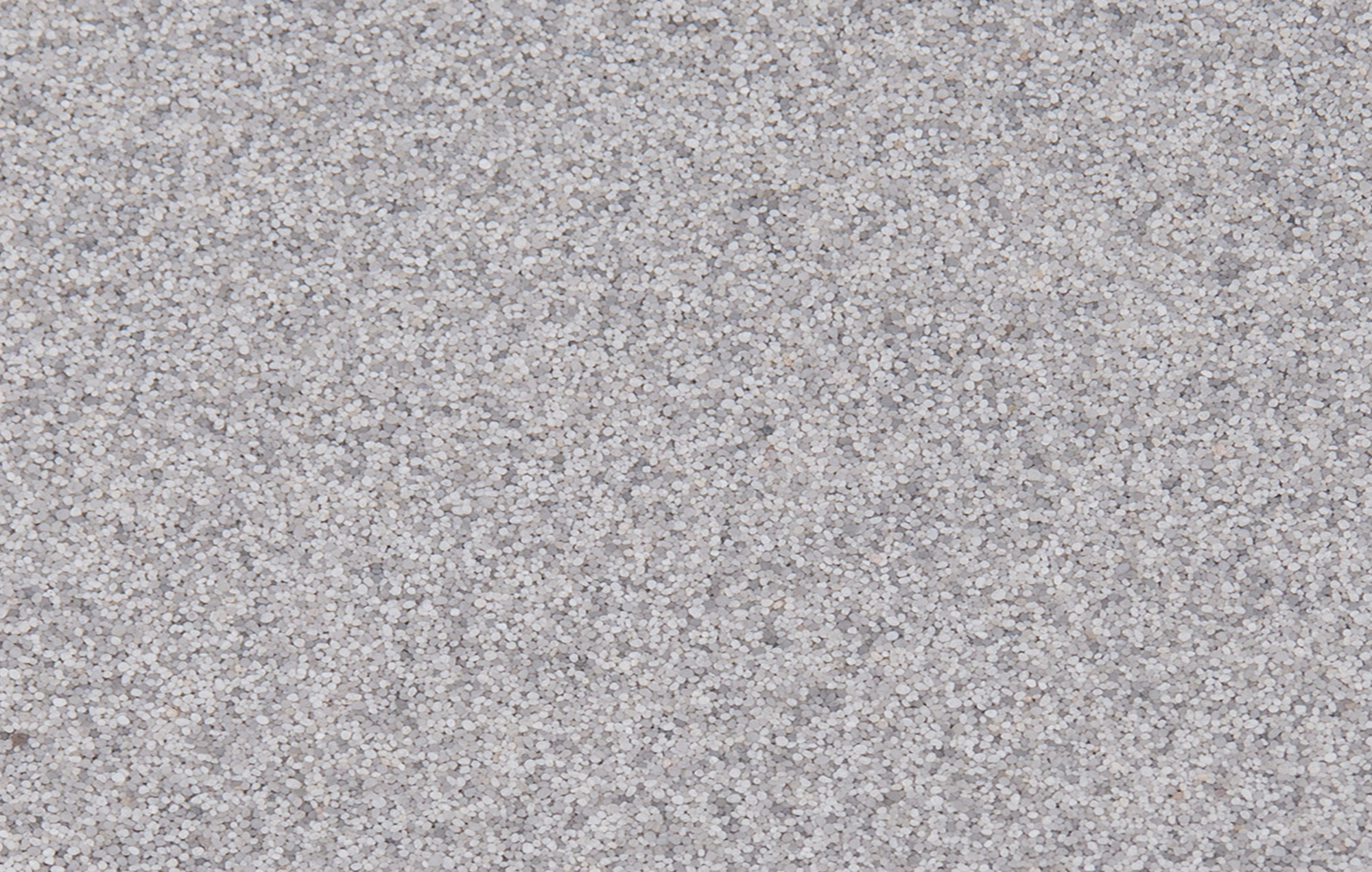
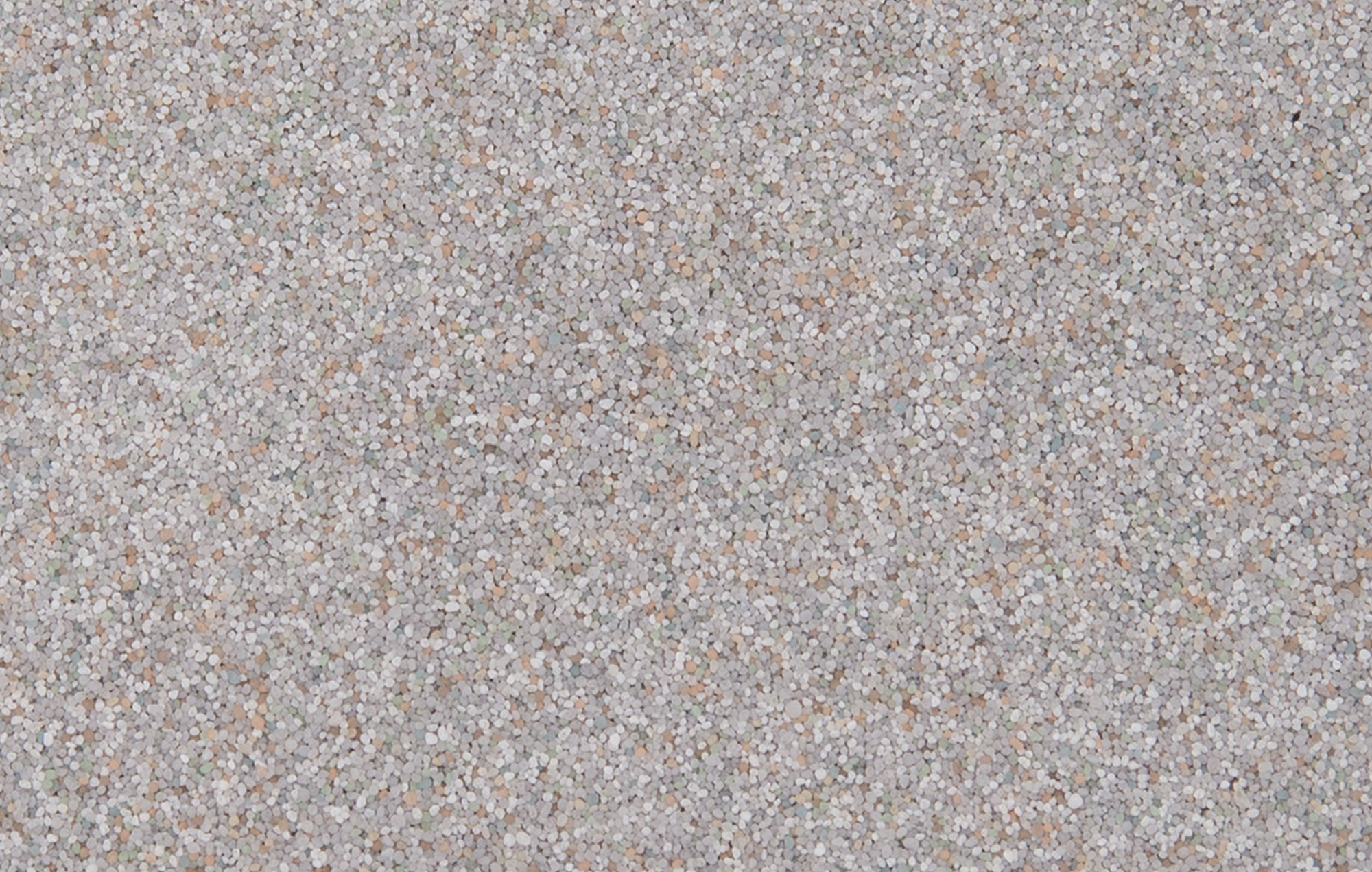
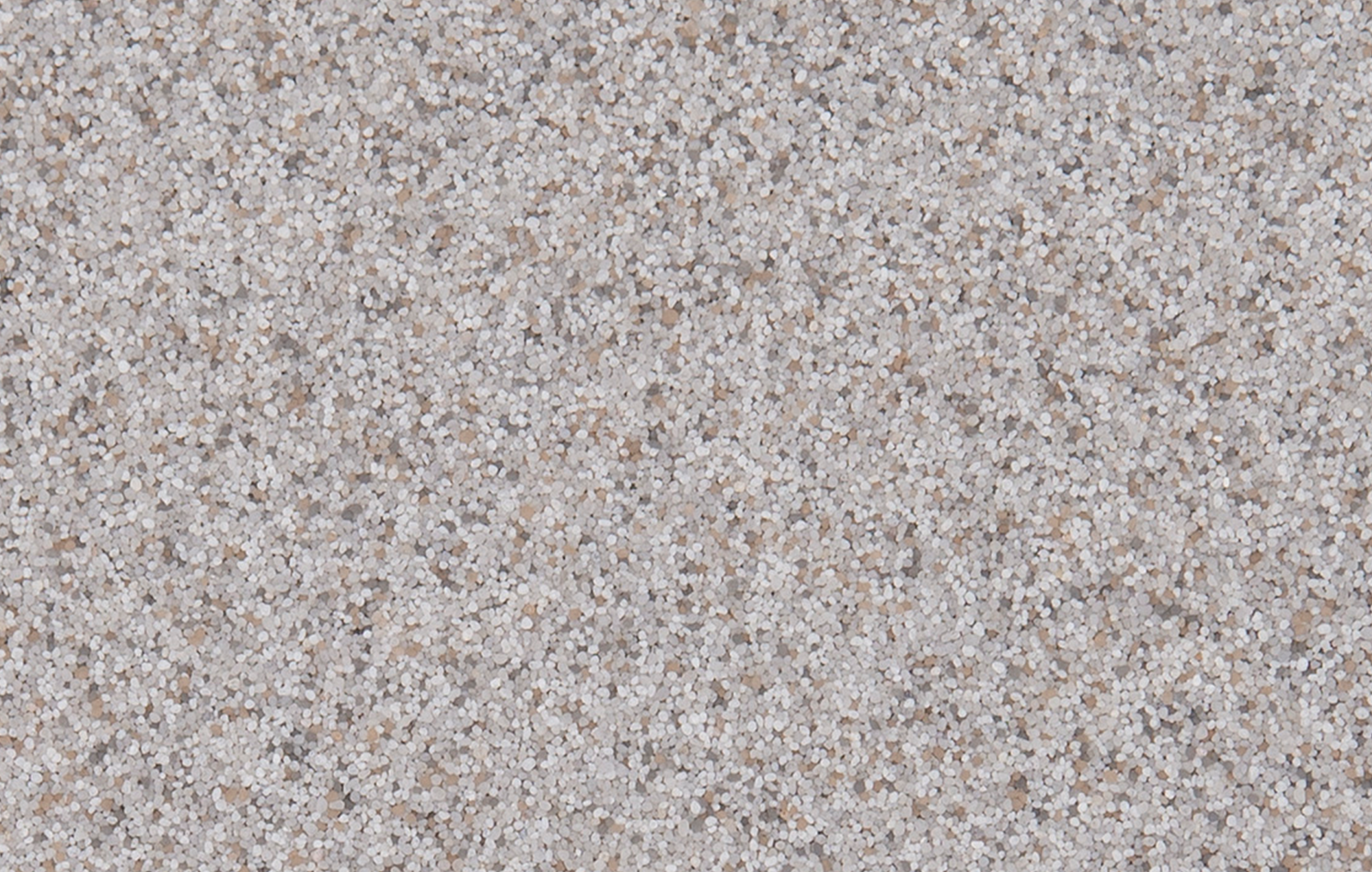
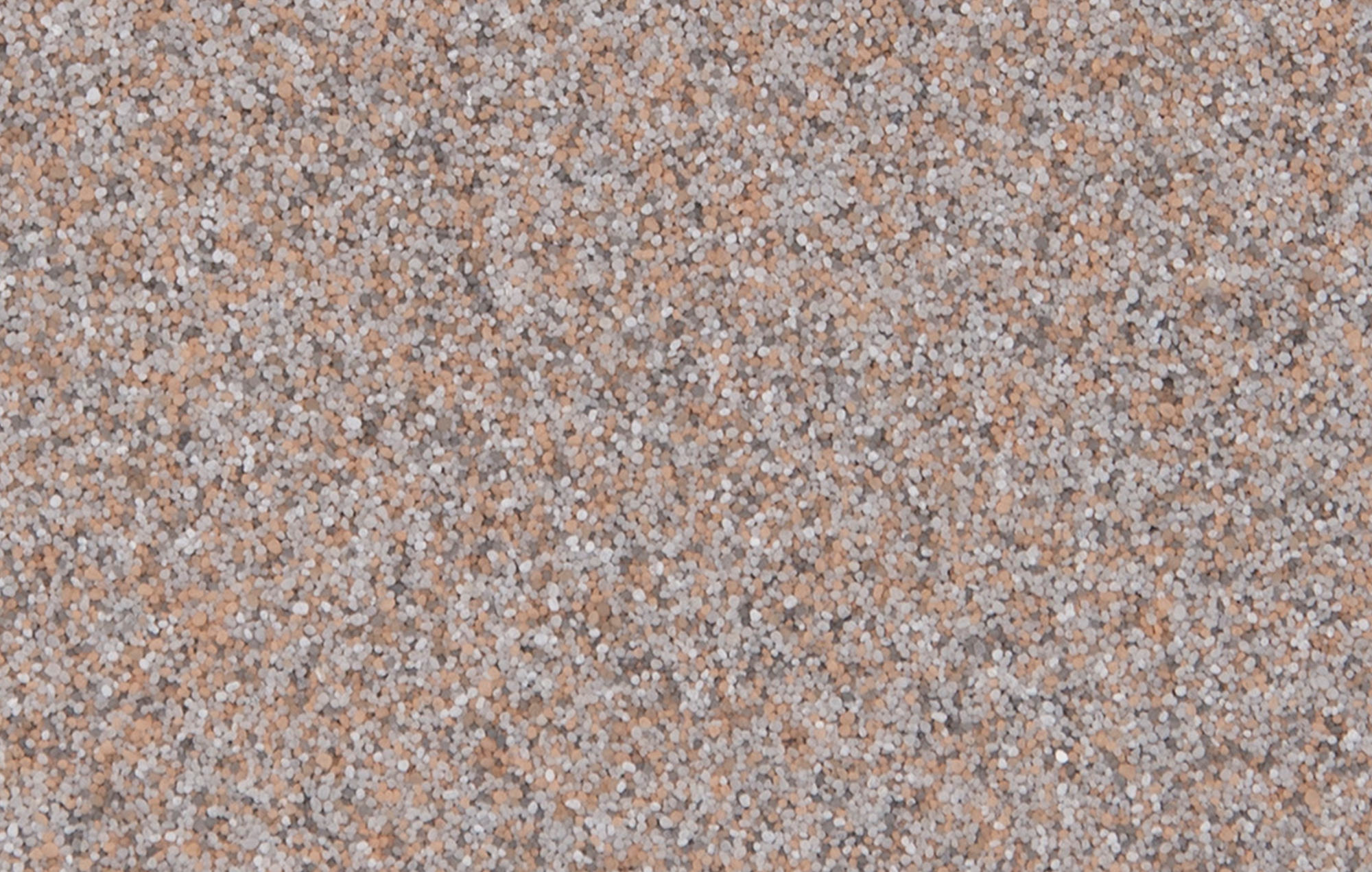
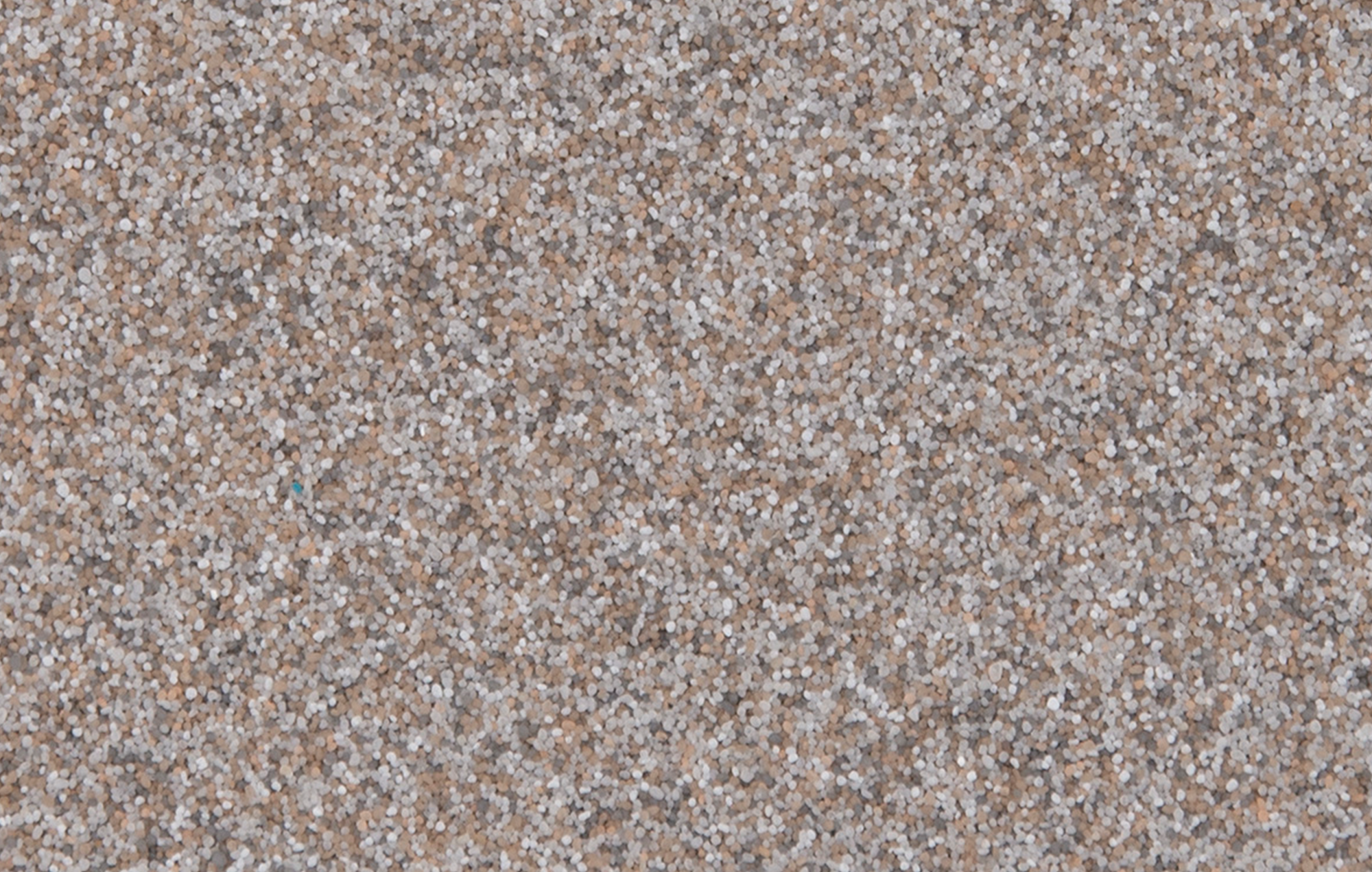
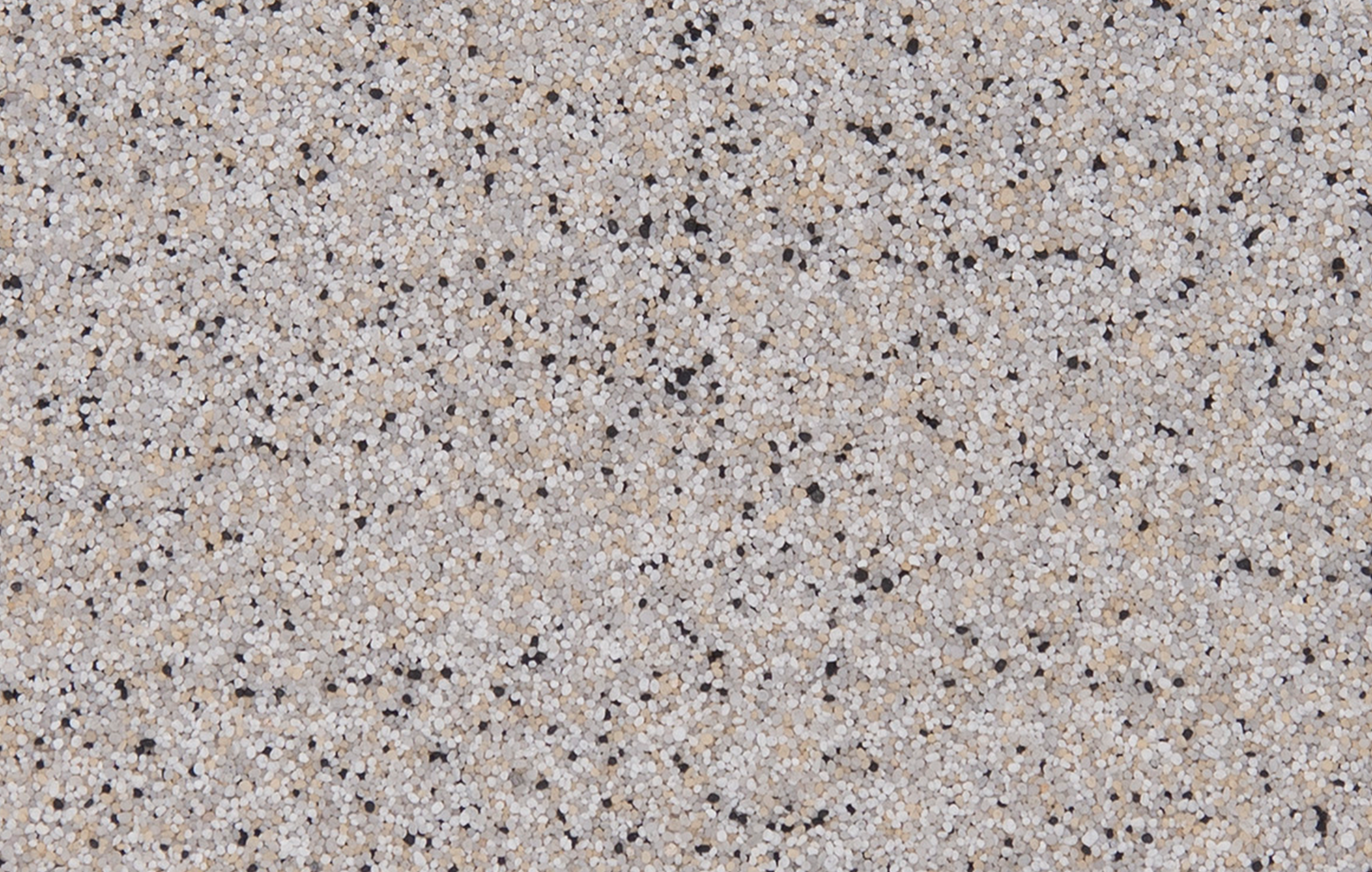
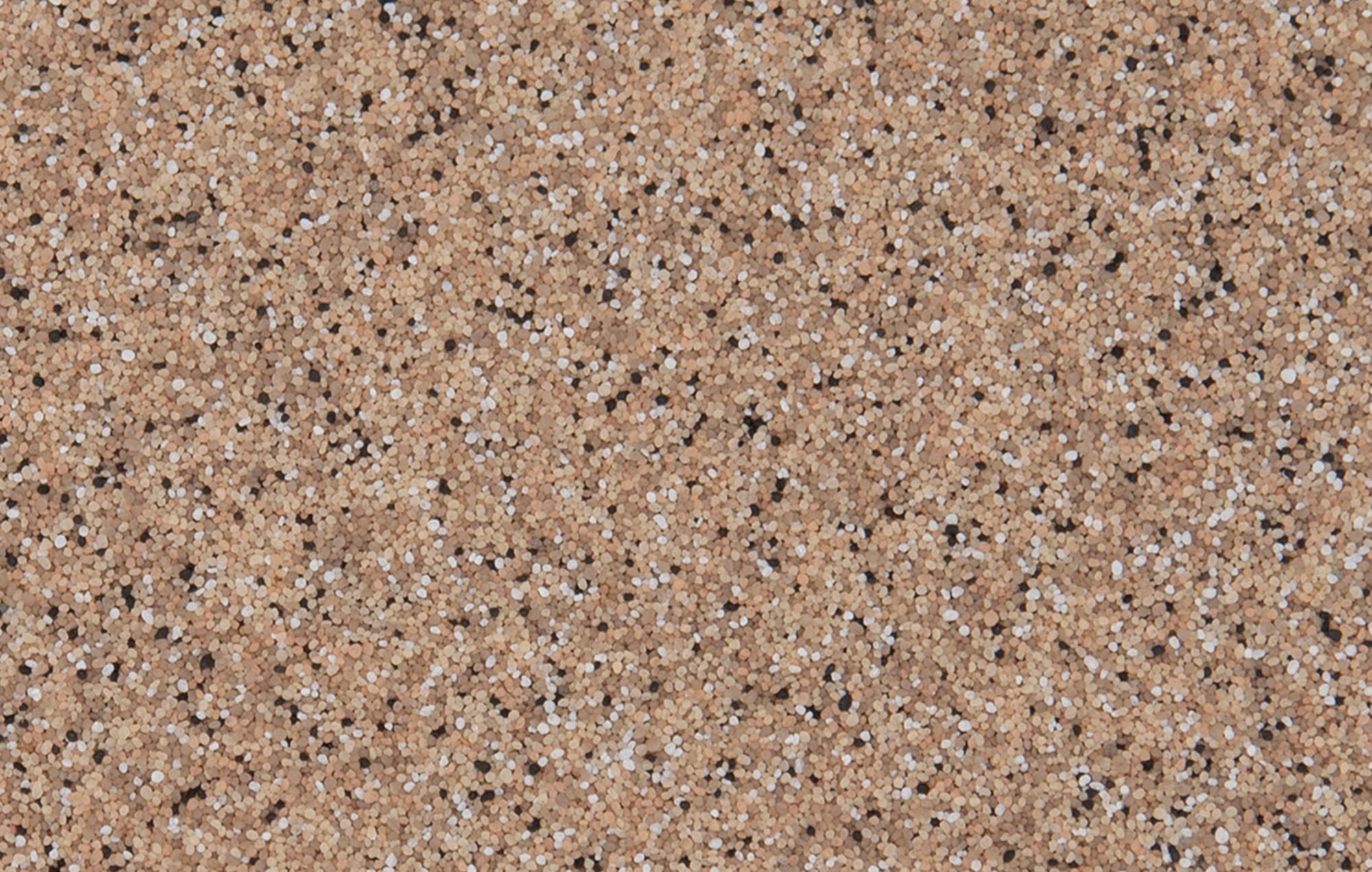
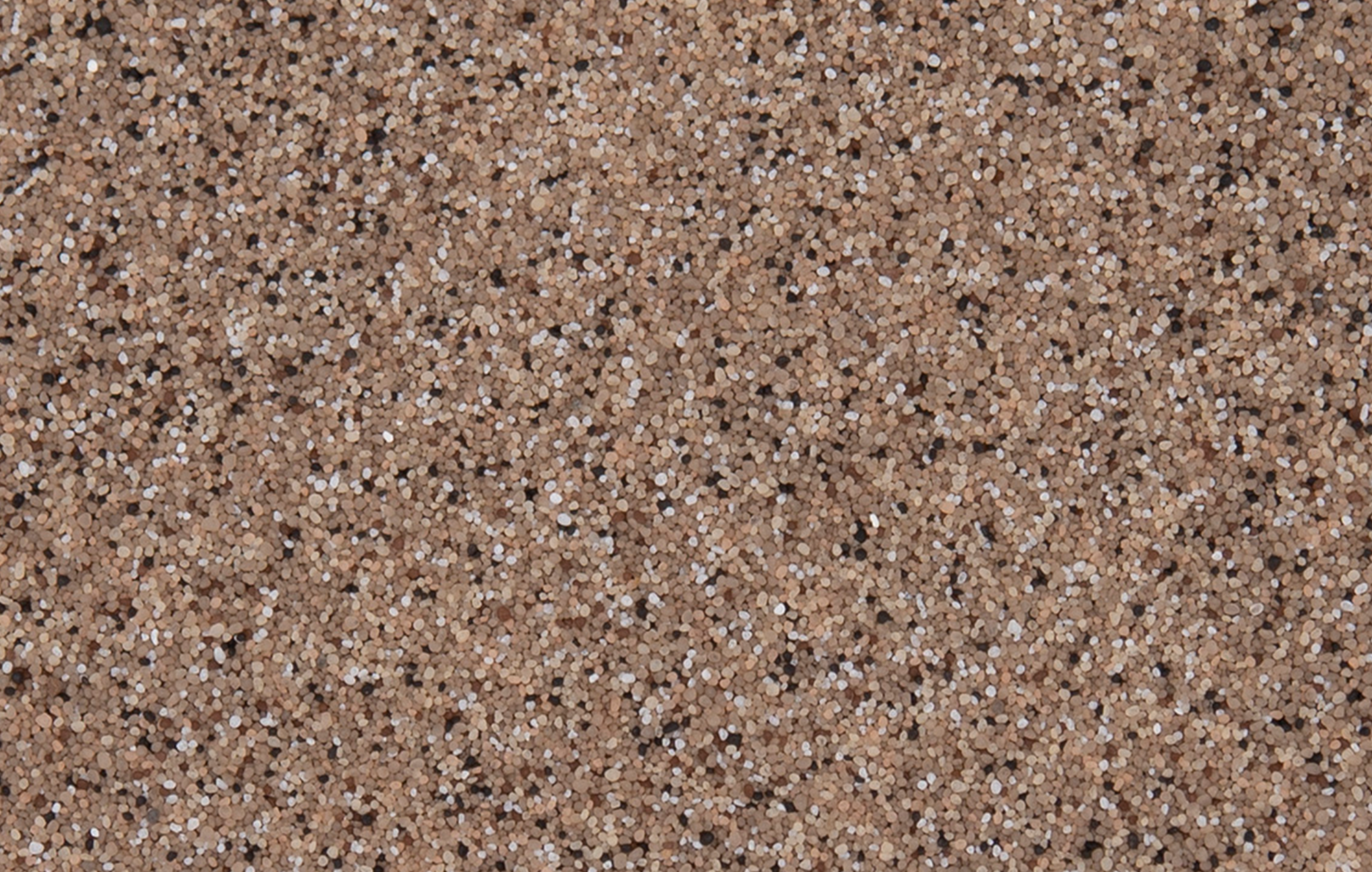
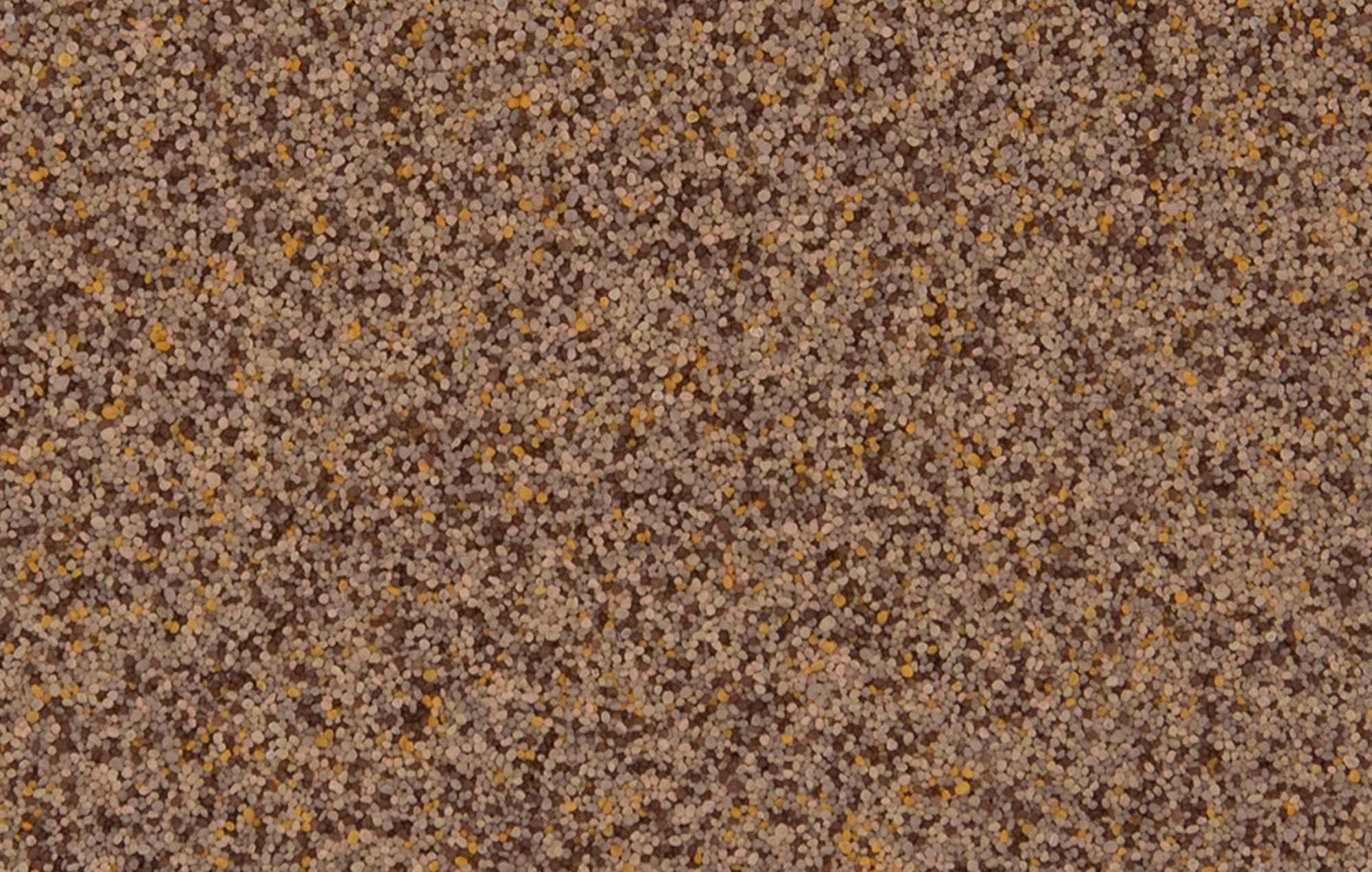
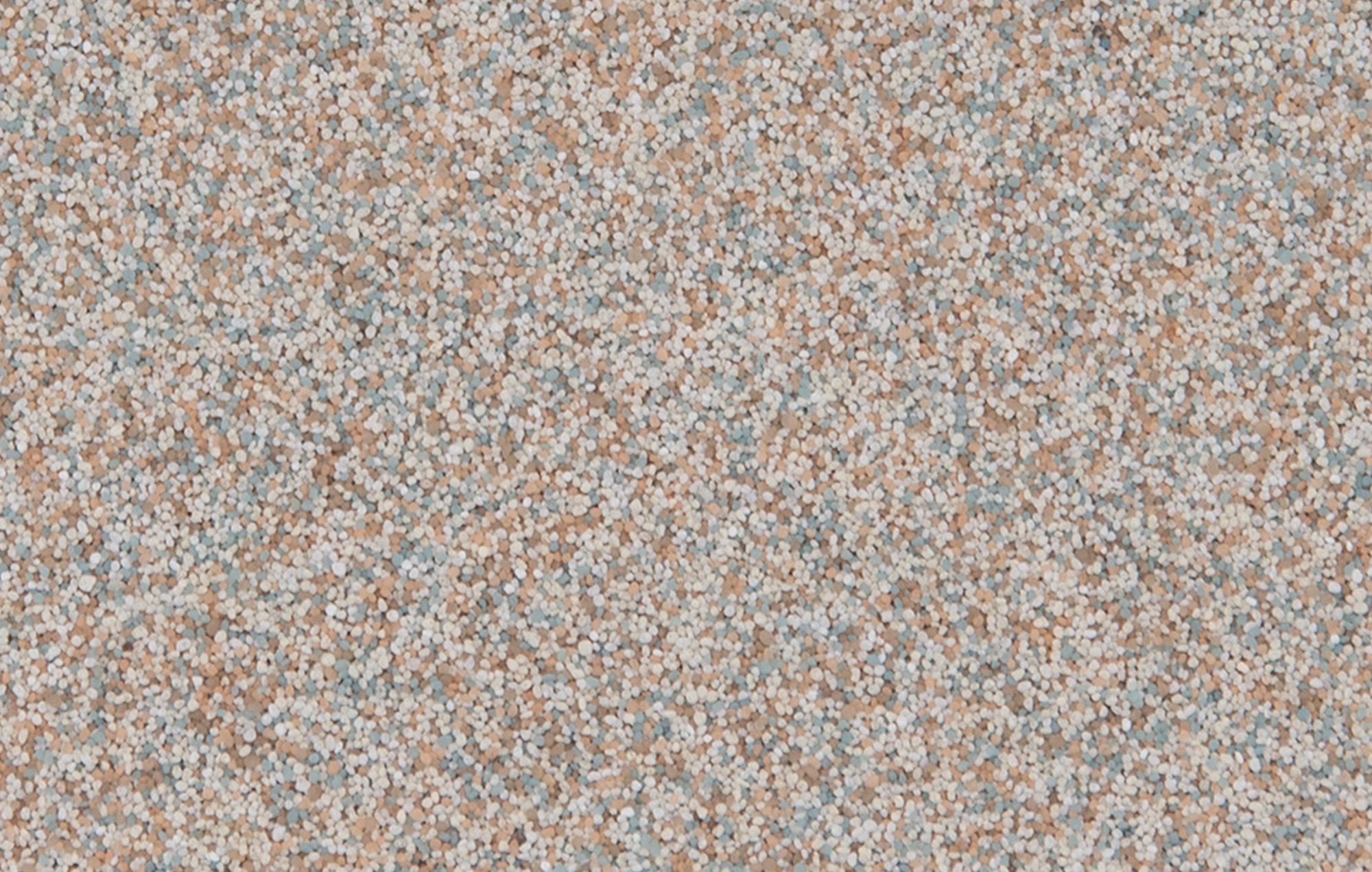
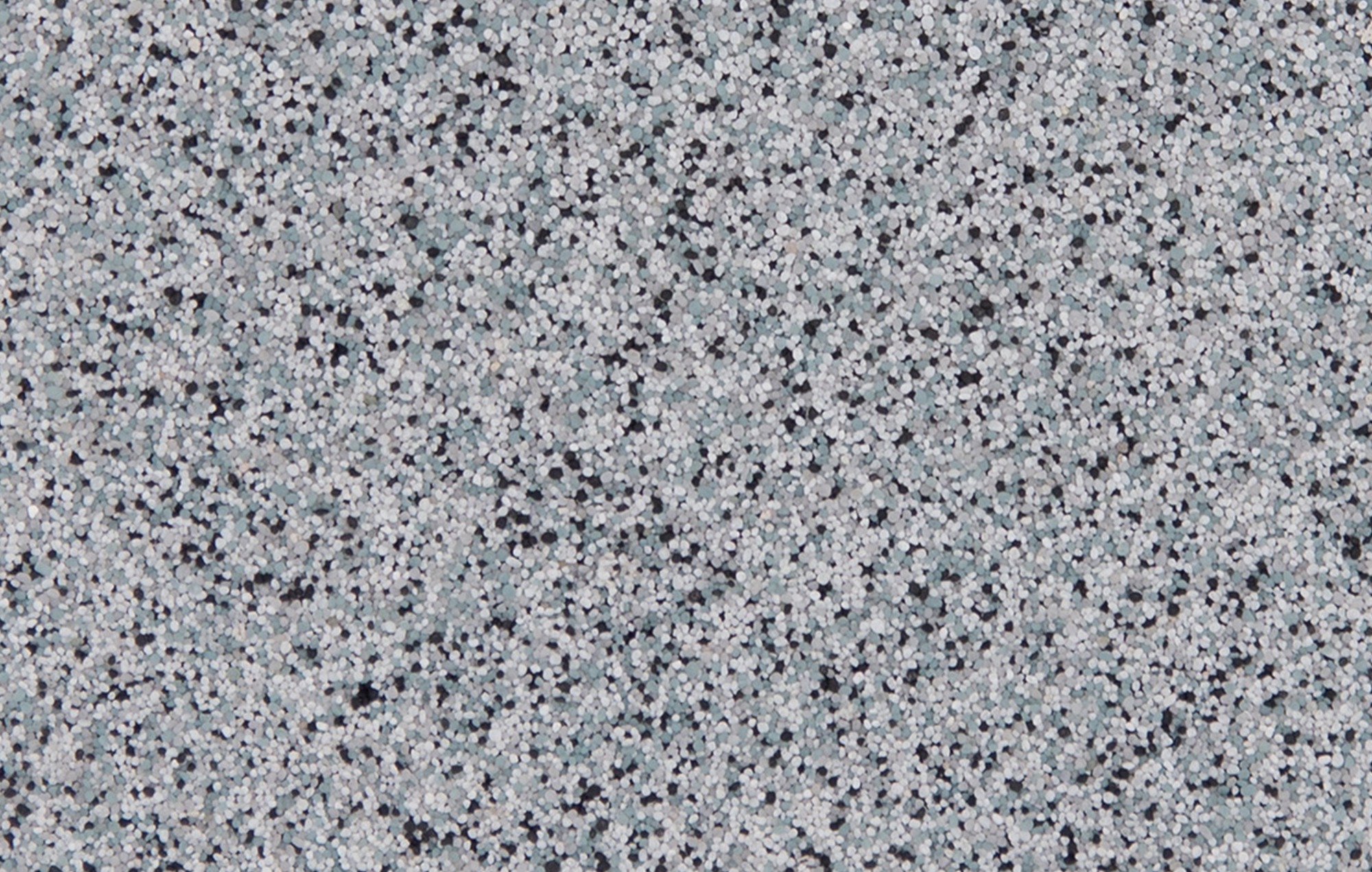
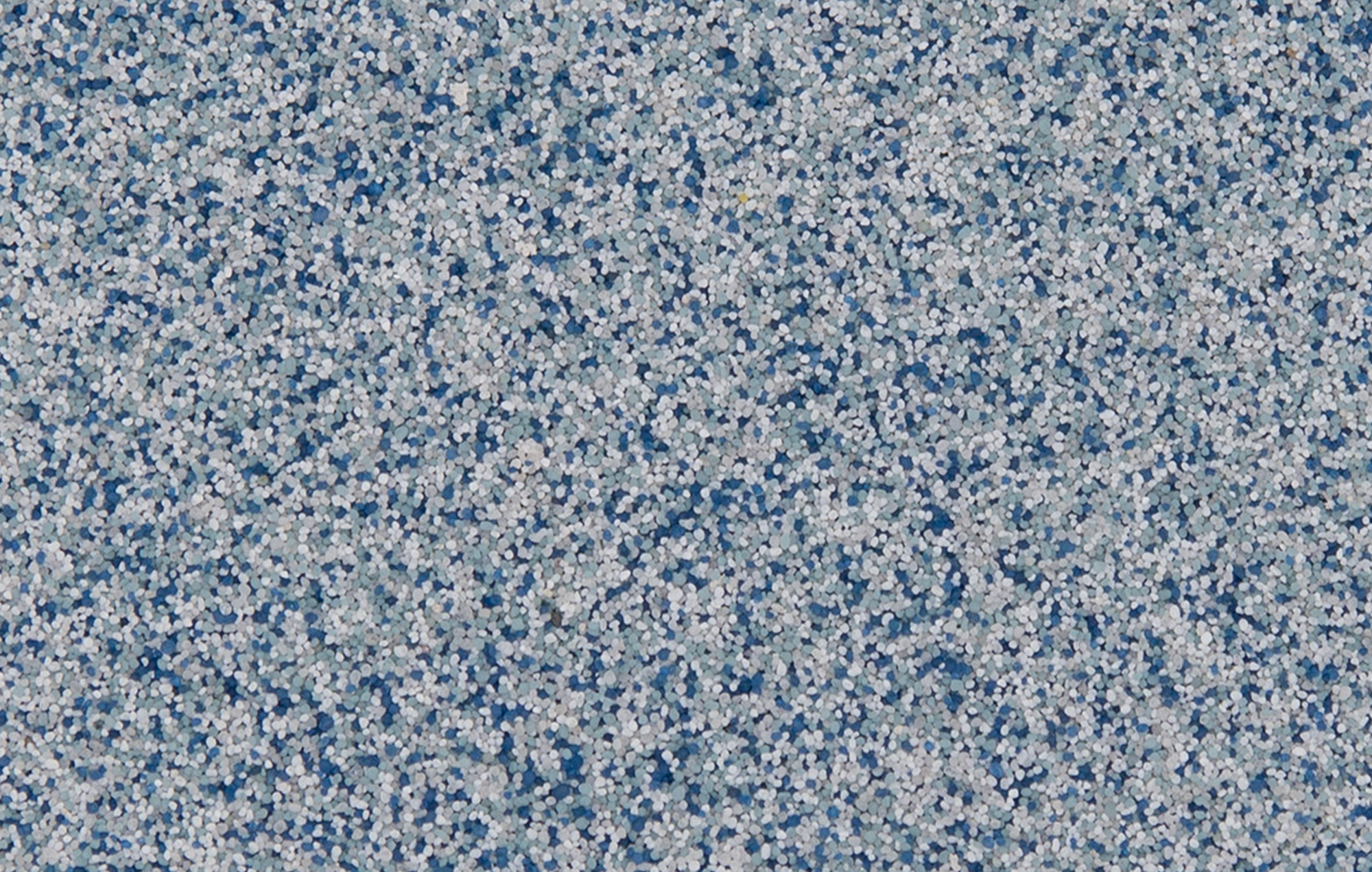
Premixed color granules are broadcast into the epoxy binder (basecoat) until the surface is fully covered.

Finish/Topcoat
After the binder (basecoat) cures, excess granules are removed, and one or more clear polyaspartic topcoats are applied.
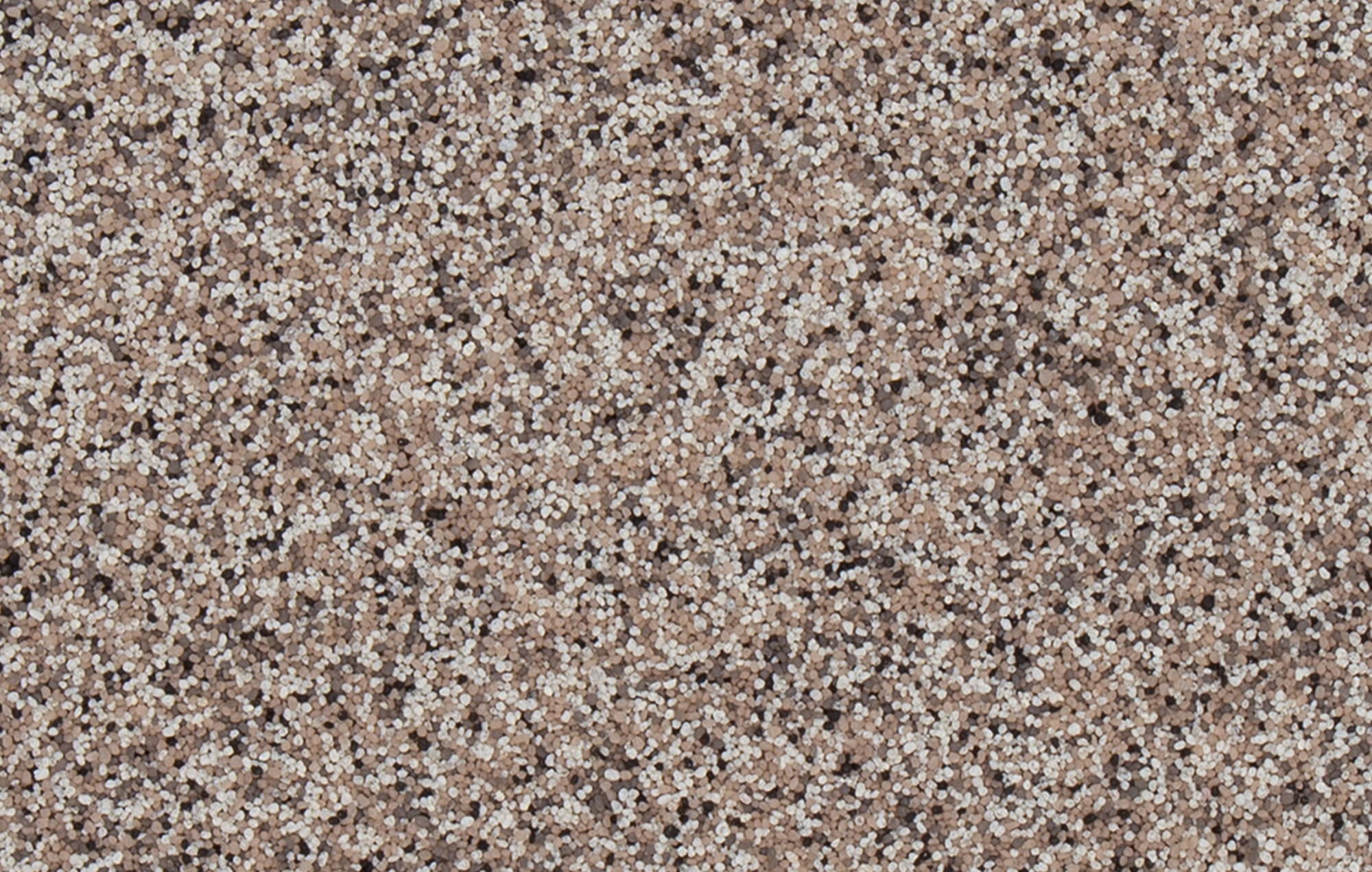
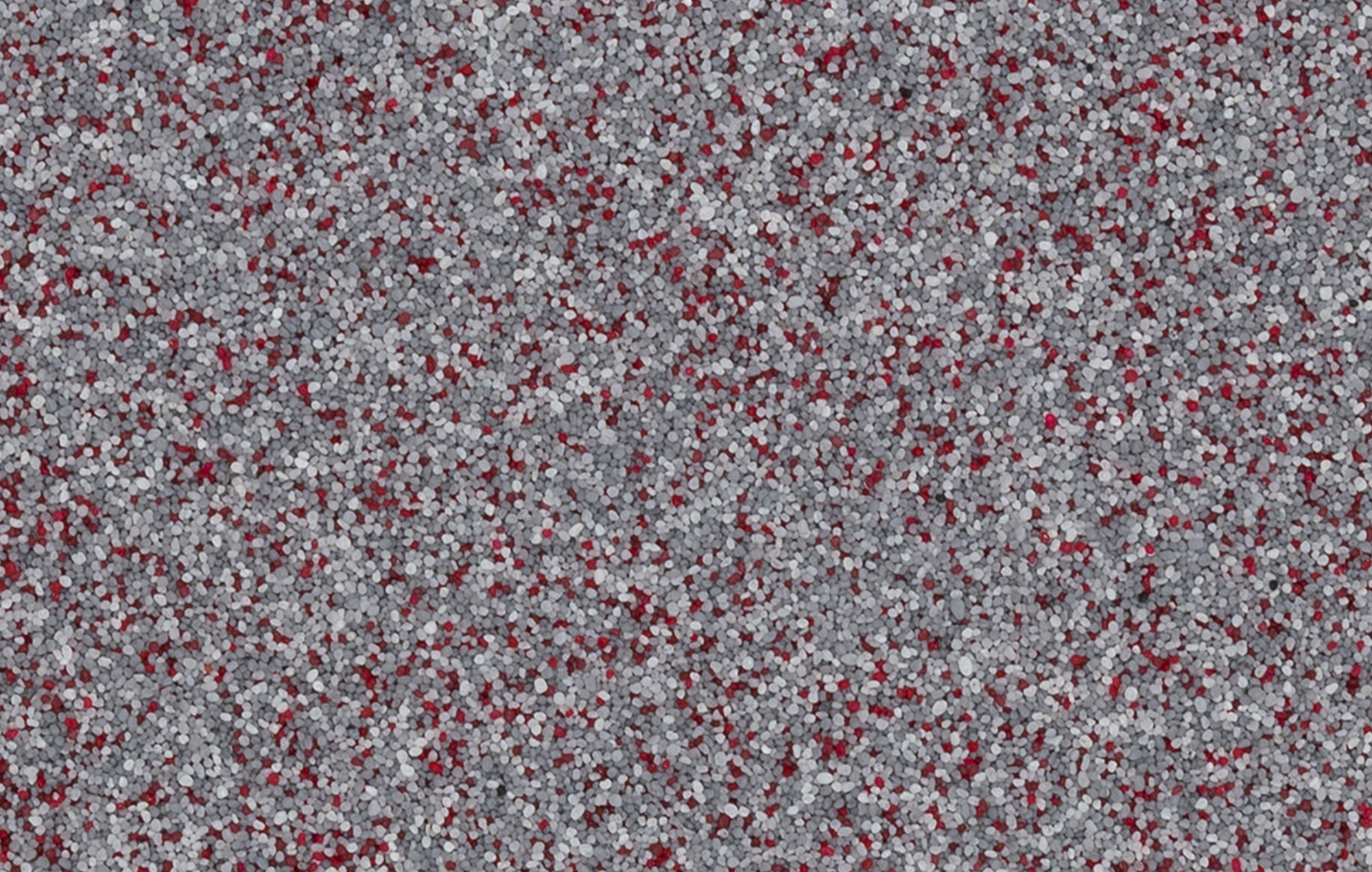
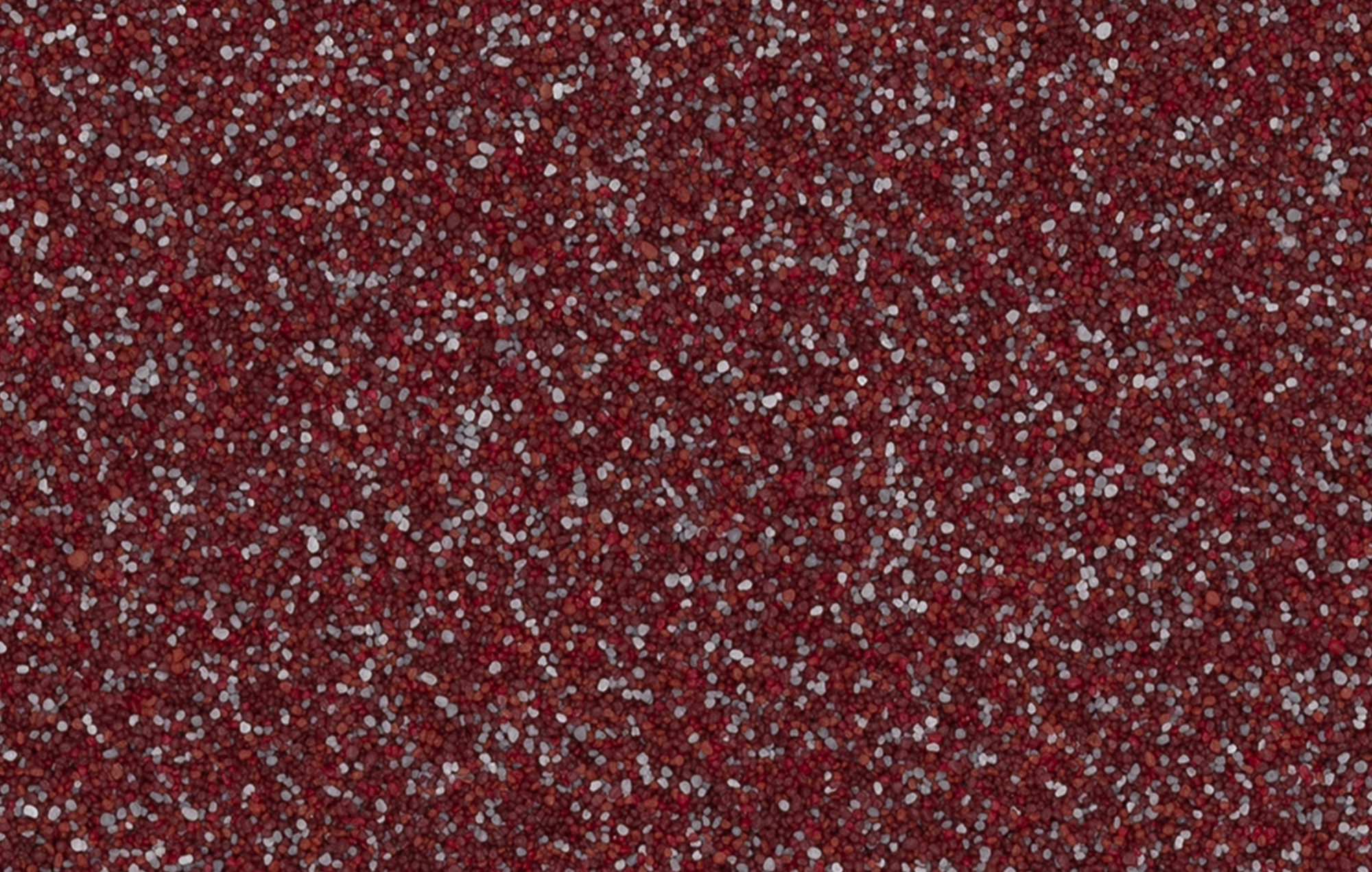
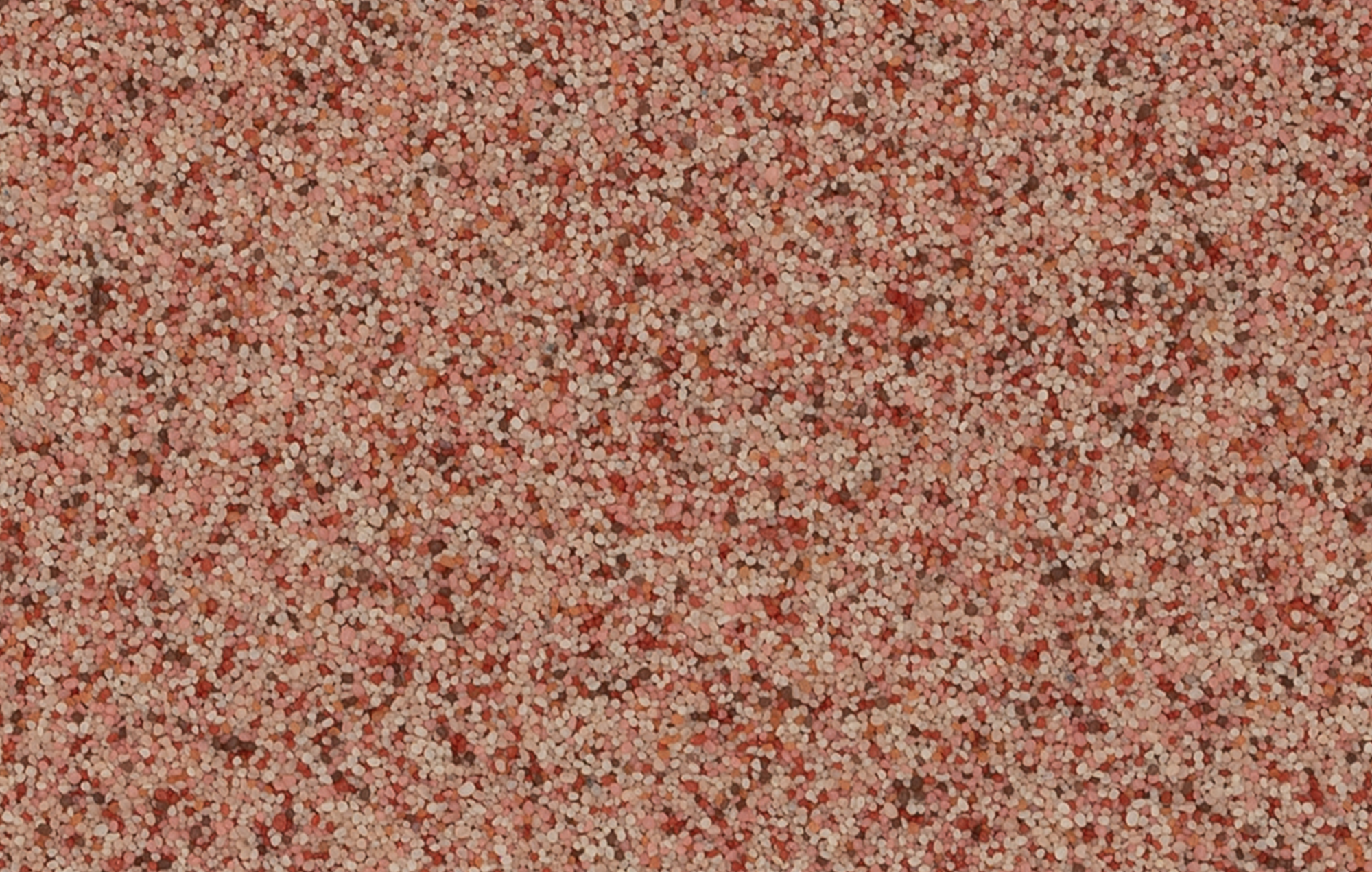
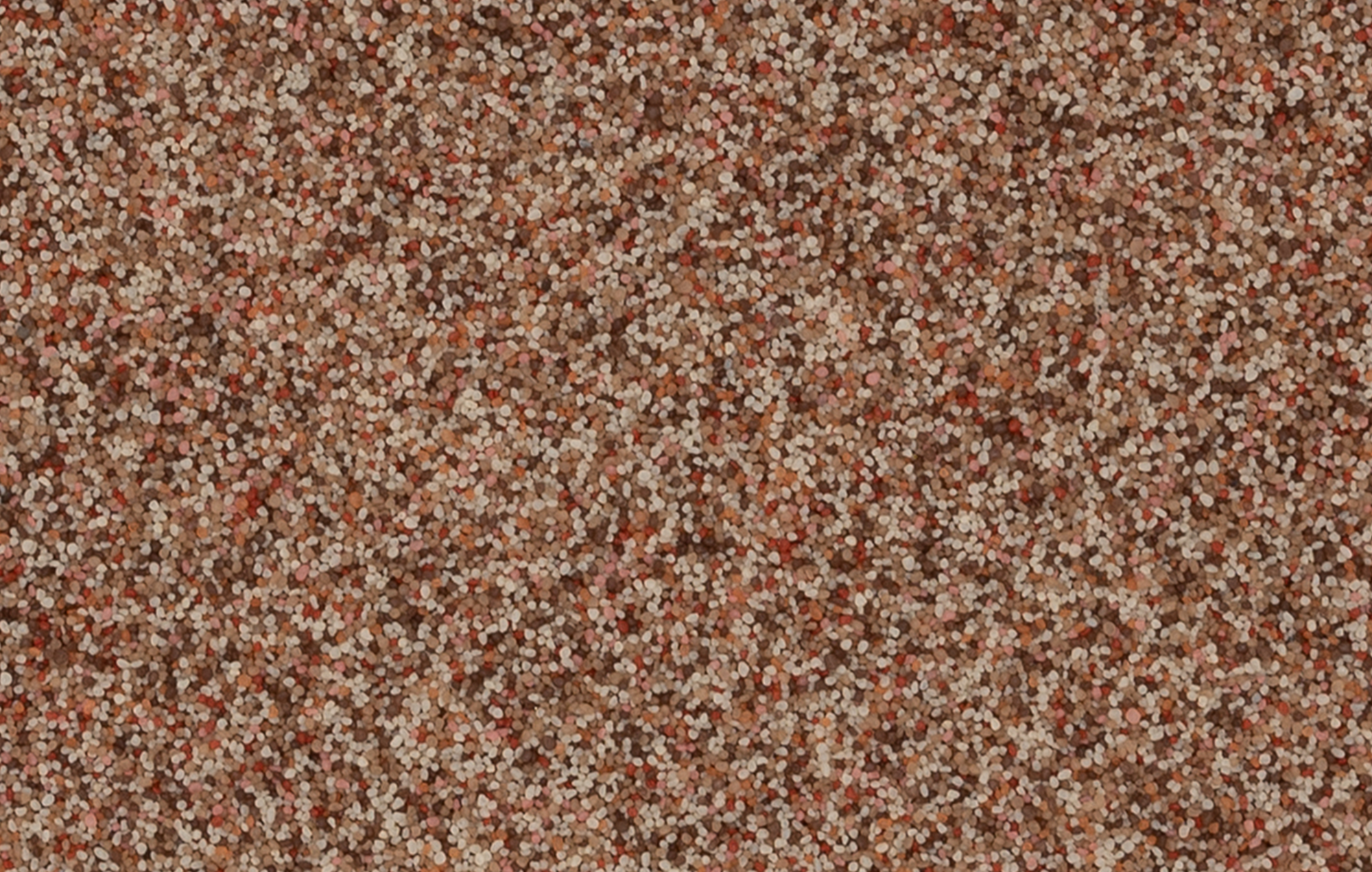
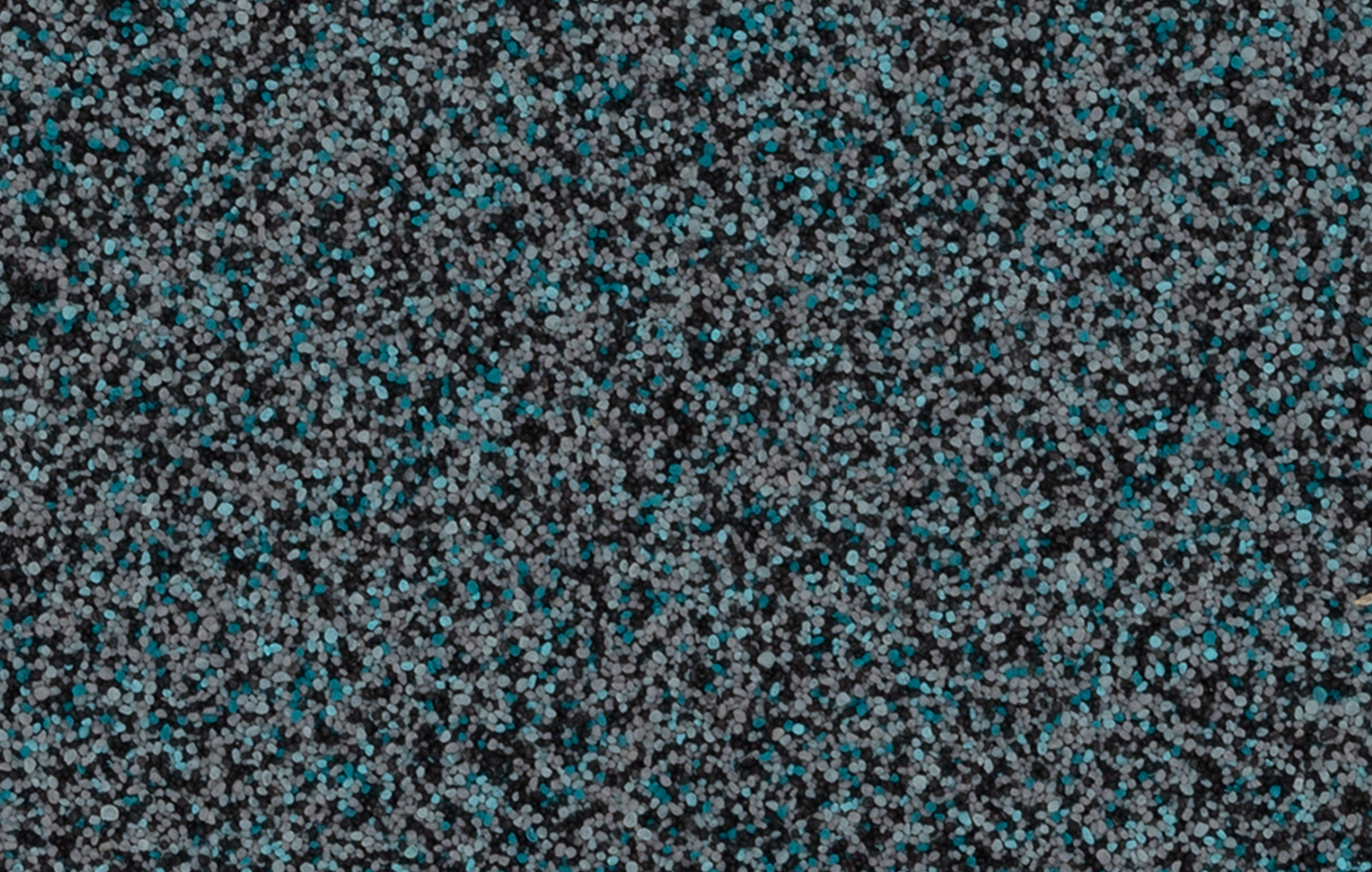
Available Colors
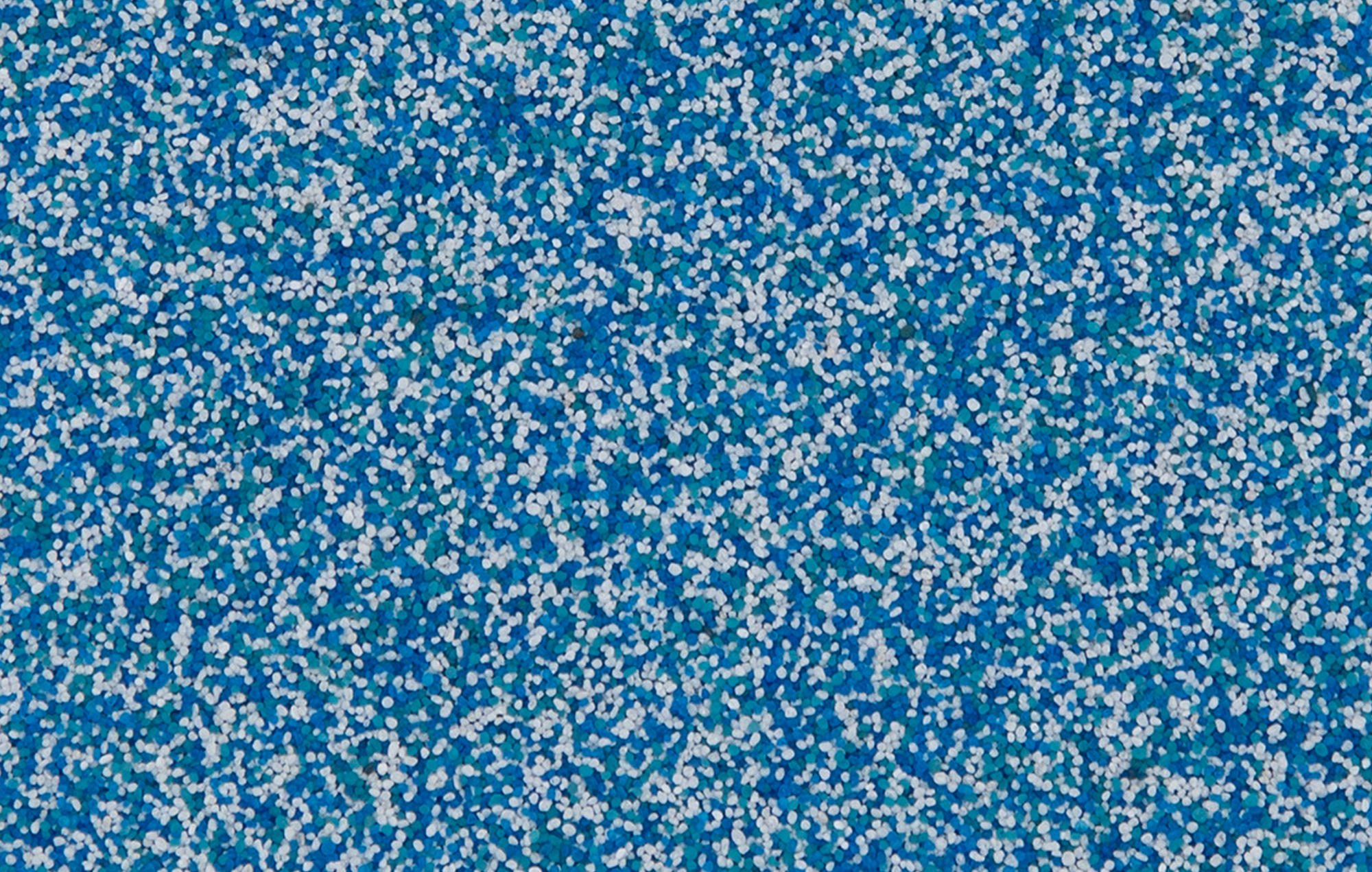
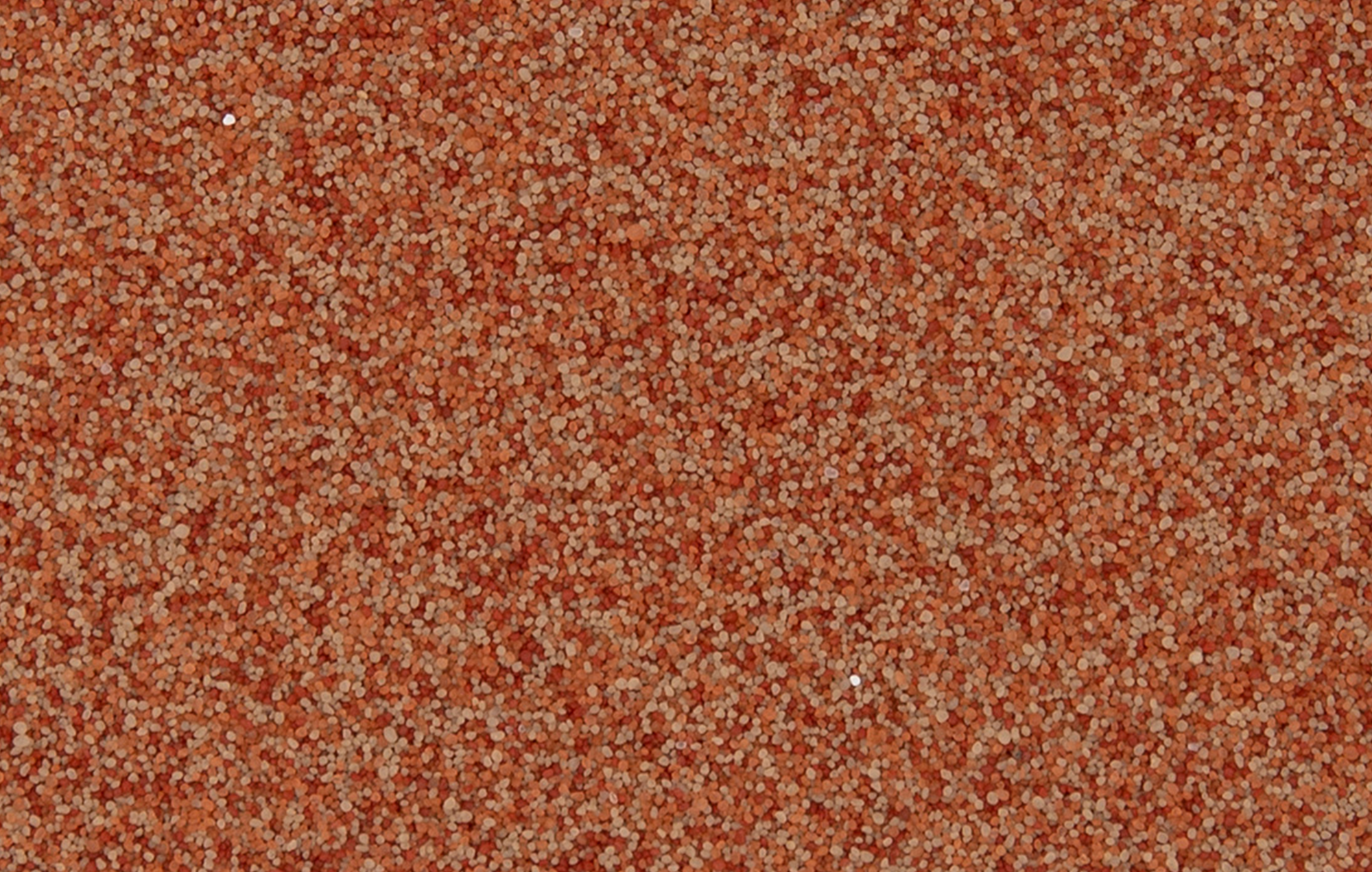
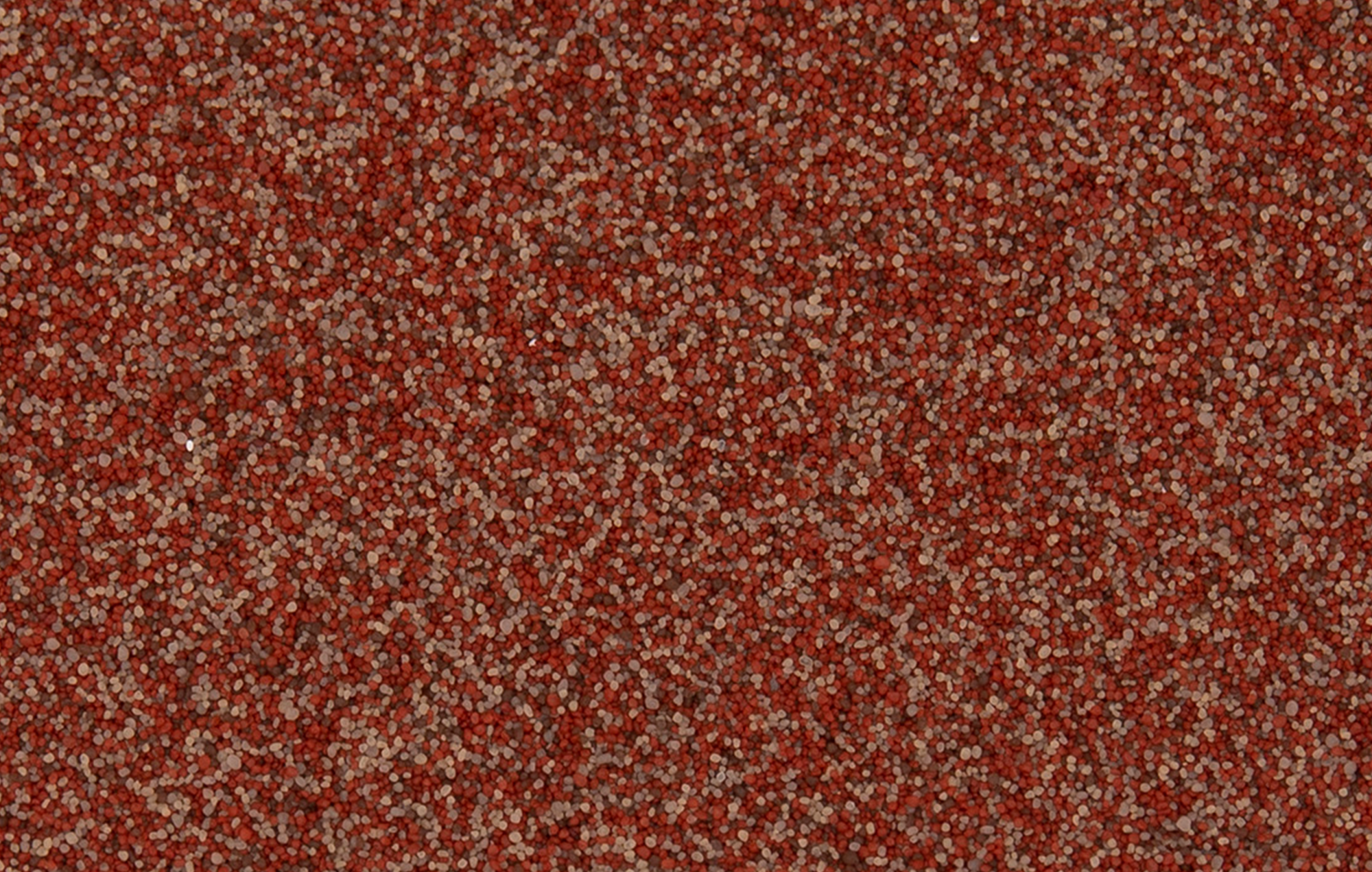
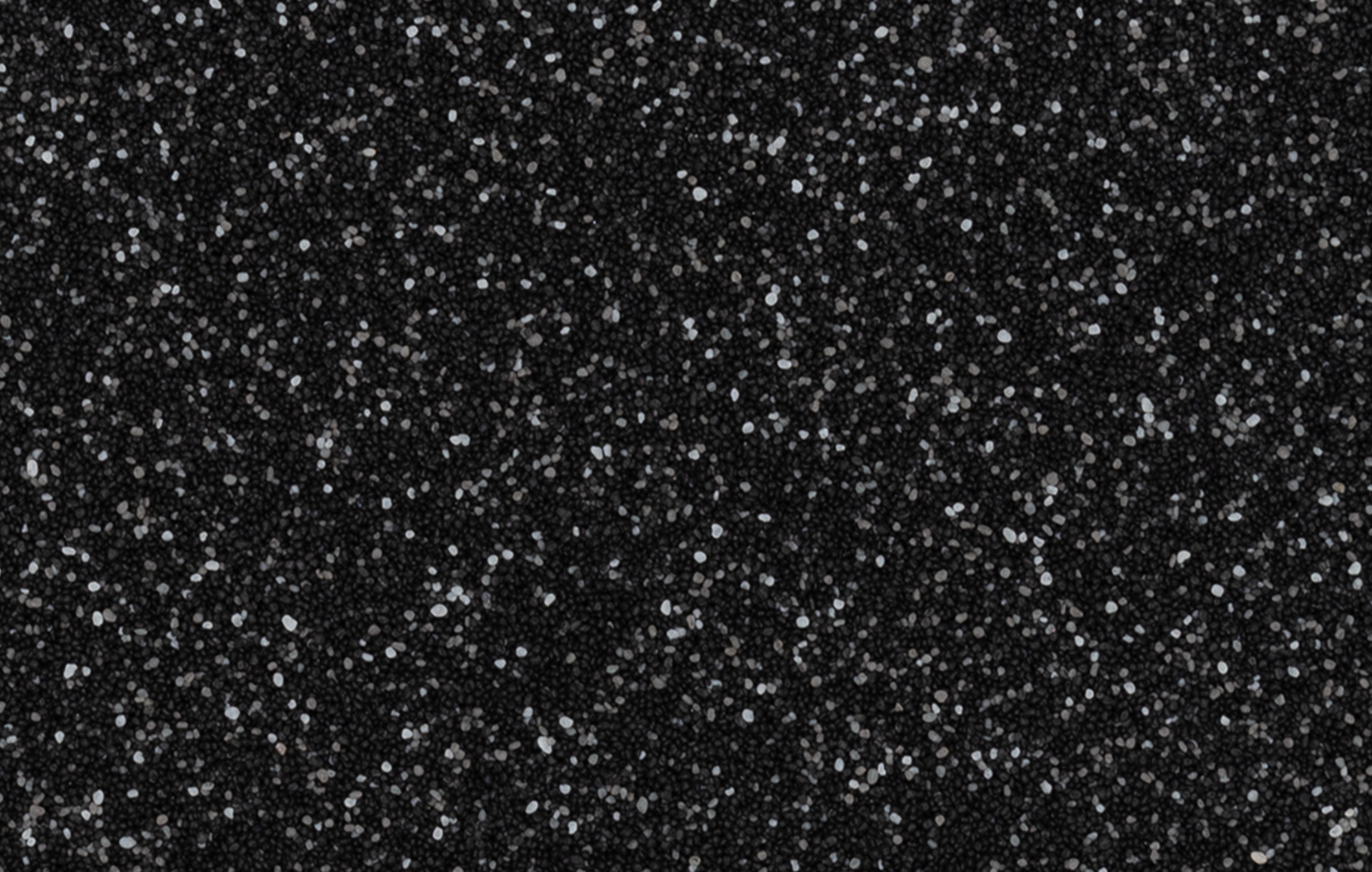
Available upon request in solid topcoat colors
We strive to display the colors of our products as accurately as possible. However, the actual colors you see will depend on your monitor, screen resolution, and device settings. We cannot guarantee that your monitor's display of any color will be completely accurate. If you have questions about a specific shade, please contact our team before purchasing.


More Information
Install & Cure Times
Install: Dependent on project size, normally one to two days turnaround.
Cure time: 24 hours - Walk
72 hours - Heavy machinery or equipment.
Cleaning
Thoroughly sweep floor using a broom/dry dust mop followed by damp mop using only water.
For a deeper clean, mop with water and neutral pH cleaner like Zep or OdoBan - no waxing or polishing needed.
Warning
Avoid harsh chemicals (battery acid, gas, etc.) or cleaners, aggressive scrubbing or abrasive pads to preserve sheen, as they can dull the finish.
Recoating
Periodic recoating will restore surface protection and overall appearance.